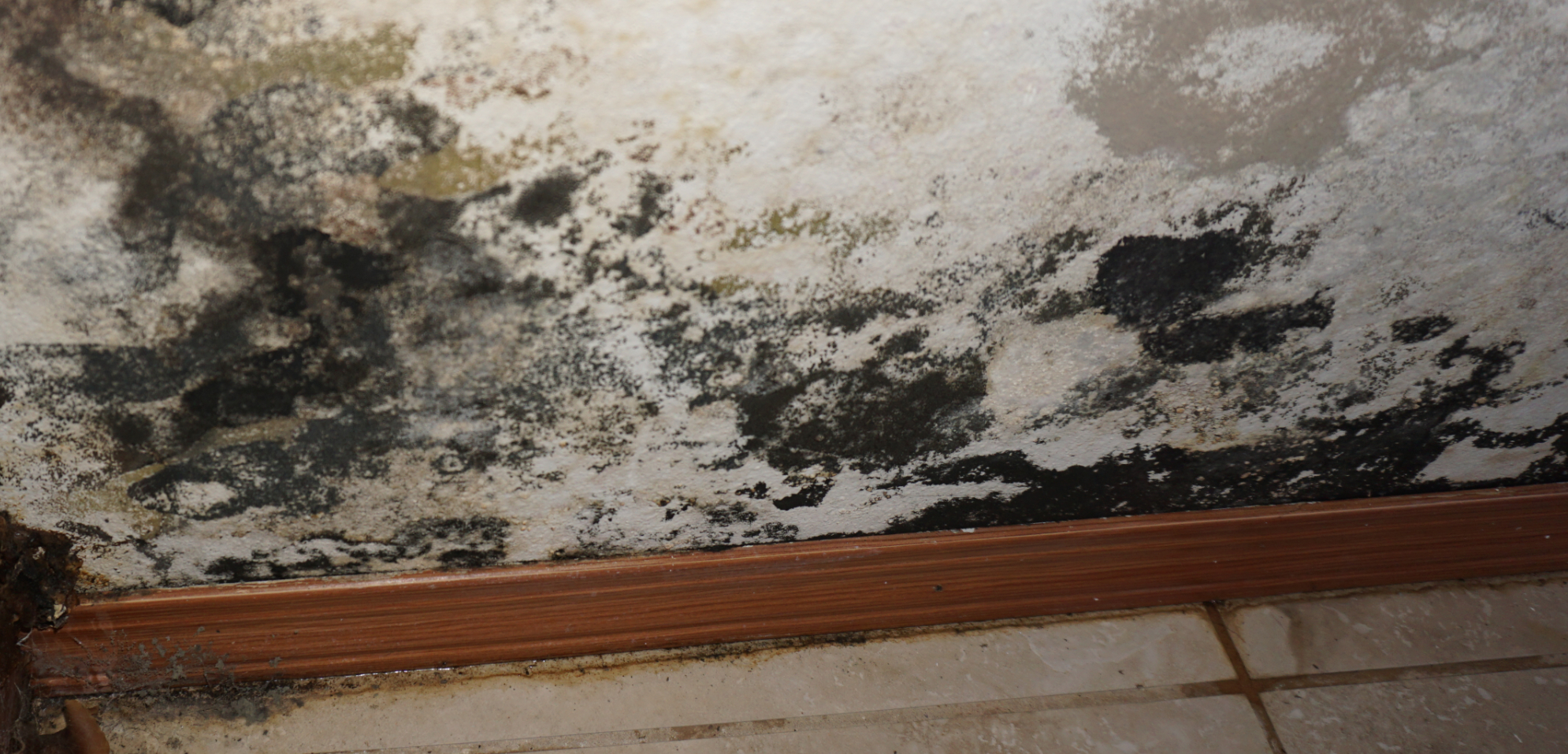
Wildfires in and around Spokane and Eastern Washington can affect homes even when the structure is never directly touched by flames. Smoke, ash, soot, and other combustion particles can travel significant distances and enter buildings through doors, windows, attic ventilation, HVAC systems, exterior penetrations, and normal building air leakage.
Wildfire smoke is more than ordinary dust. Depending on what burned, smoke and ash can contain particles generated from vegetation as well as structures, vehicles, plastics, household materials, and other combustion sources. Once these particles enter a home, microscopic residues may settle on walls, ceilings, flooring, furnishings, attic materials, HVAC components, and other interior surfaces. The EPA also cautions that post-wildfire cleanup can expose occupants to ash and other fire-related materials.
A home does not necessarily need to have obvious black soot staining to warrant further evaluation after significant wildfire smoke exposure.
Heavy exposure may leave visible staining, ash deposits, or persistent smoke odors. In other situations, deposited particulate may be subtle and difficult to distinguish visually from ordinary household dust. This can become particularly important when determining the extent of a wildfire-related insurance loss.
For Washington homeowners, the Washington State Office of the Insurance Commissioner states that standard homeowners and renters policies typically cover sudden and accidental smoke damage, including ash from wildfires, subject to the terms and limitations of the individual policy. Covered losses may include cleaning, deodorizing, repairs, and other associated expenses.
Pacific Northwest Inspections Group (PNWIG) provides independent wildfire smoke and soot assessments for Spokane-area properties when the presence or extent of fire-related residue needs to be documented.
Depending on site conditions and the purpose of the investigation, an assessment may include:
Visual documentation of suspected smoke, soot, or ash impact
Evaluation of interior and exterior areas potentially affected by wildfire smoke
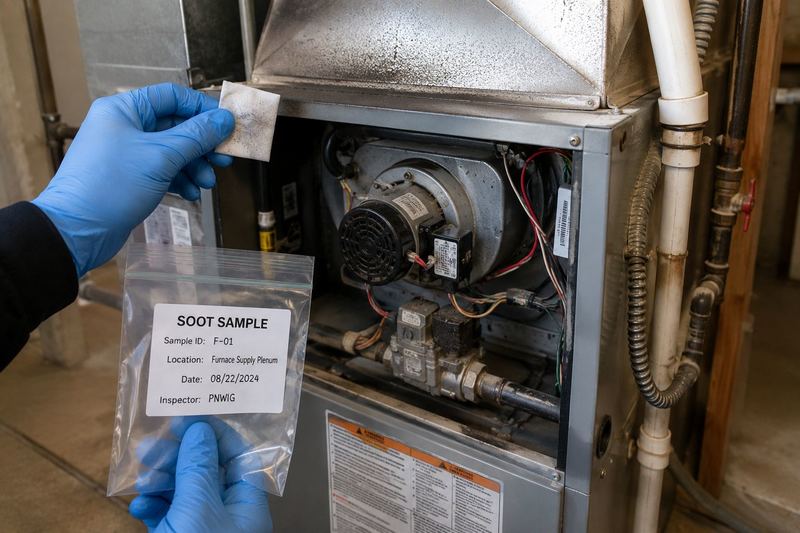
Surface sampling for suspected combustion-related particulate
Strategic sampling of areas away from obvious visible damage
Evaluation of attics, HVAC systems, and other potential pathways for smoke infiltration
Photographic documentation and sample-location mapping
Laboratory analysis when appropriate
A written report documenting observations, testing methodology, laboratory findings, and conclusions
The objective is to provide independent, defensible documentation of site conditions that homeowners, adjusters, restoration contractors, consultants, or other parties can use when evaluating the extent of a wildfire smoke loss.
If an insurance claim is anticipated, homeowners should consider documenting conditions before extensive cleaning, demolition, disposal of contents, or restoration work begins.
Cleaning can remove or redistribute residues that otherwise could have helped document the original condition of the property. Spokane Regional Health District similarly recommends documenting wildfire damage and contacting the insurance company as part of the process when returning to a fire-damaged property.
Testing does not determine whether an insurance company must provide coverage. Coverage decisions ultimately depend on the policy and the insurer's claim evaluation. Environmental testing instead provides objective evidence that can help establish whether suspected wildfire-related residue is present and where impacts were identified.
If your Spokane, Spokane Valley, Cheney, Medical Lake, or surrounding Eastern Washington property was exposed to wildfire smoke and you are concerned about soot or ash contamination, Pacific Northwest Inspections Group can perform an independent assessment before remediation or during the insurance claim process.
PNWIG can help document what cannot always be seen.
Wildfire smoke exposure may extend well beyond the visible fire perimeter. When the extent of contamination is disputed or uncertain, professional inspection, sampling, laboratory analysis, and documentation can provide a clearer basis for determining appropriate next steps.
Eastern Washington experiences some of the worst wildfire smoke in the Pacific Northwest. Soot and fine particulate matter from wildfires can infiltrate homes through gaps in windows, doors, and HVAC systems — depositing hazardous residue on surfaces and in ductwork. Testing for soot contamination after a nearby wildfire is strongly recommended.