If bread develops visible mold within 24 hours, that is unusually fast under normal storage conditions. The root cause is typically one of three categories: product formulation, storage environment, or post-purchase contamination. Below is a structured breakdown.
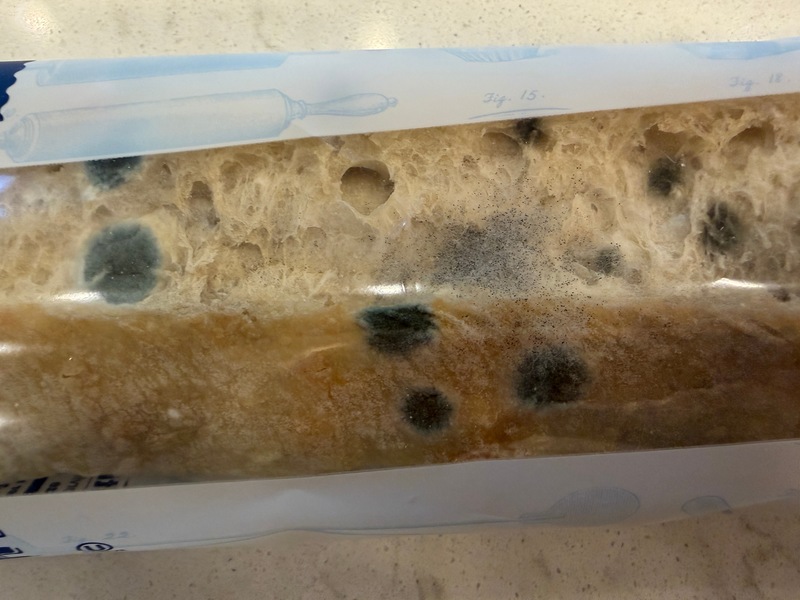
Trader Joe’s carries many breads with:
No calcium propionate or sorbate preservatives
Organic ingredients
Minimal processing
Without preservatives, mold spores can colonize quickly — especially in humid environments. Many preservative-free breads last:
2–4 days at room temp
Longer if refrigerated
Much longer if frozen
If the loaf was already near its expiration date, mold growth can accelerate.
Mold spores are everywhere in the air. Growth depends on moisture + temperature.
Indoor humidity > 60%
Storing bread near sink, dishwasher, or stove
Keeping bread in a sealed warm plastic bag
Kitchen temps above 72–75°F
Seattle winter condensation (very common)
Since you're in the Seattle area, moisture is frequently the hidden factor.
Refrigeration slows mold growth but can dry the bread. Freezing is the most effective control.
Less likely, but possible if:
The bread felt damp or warm when purchased
Condensation was visible inside the bag
The “Best By” date was within 1–2 days
Other customers report similar issues
Stores rotate stock frequently. A systemic mold issue in the store would usually affect multiple items and be noticeable quickly.
Consider this if:
Other bread in your home molds quickly
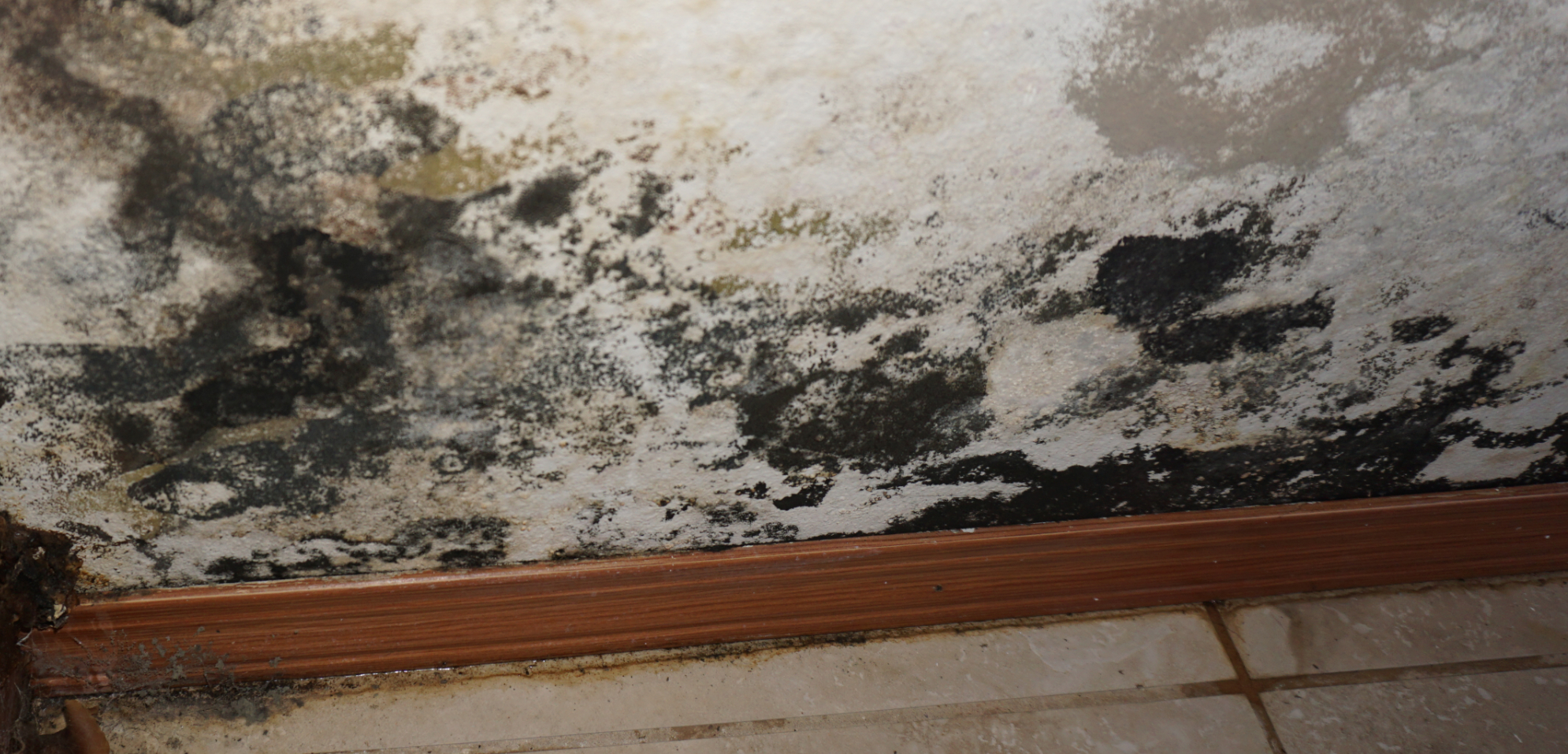
You’ve noticed visible mold elsewhere (window sills, cabinets)
Kitchen humidity is high
You store bread near compost or fruit
Fruit (especially bananas) releases moisture and ethylene gas — both accelerate spoilage.
Mold does not grow from zero to visible in 12 hours. What likely happened:
Spores were already present inside the loaf
Mold colonies were microscopic at purchase
Under warm/humid conditions, visible growth appeared rapidly
Mold growth curve can be exponential.
Natural bread
High humidity
Loaf near expiration
Discard entire loaf (don’t cut around mold — hyphae spread invisibly)
Wipe storage area with vinegar
Store next loaf:
In fridge OR
Freeze half immediately
Keep away from moisture sources