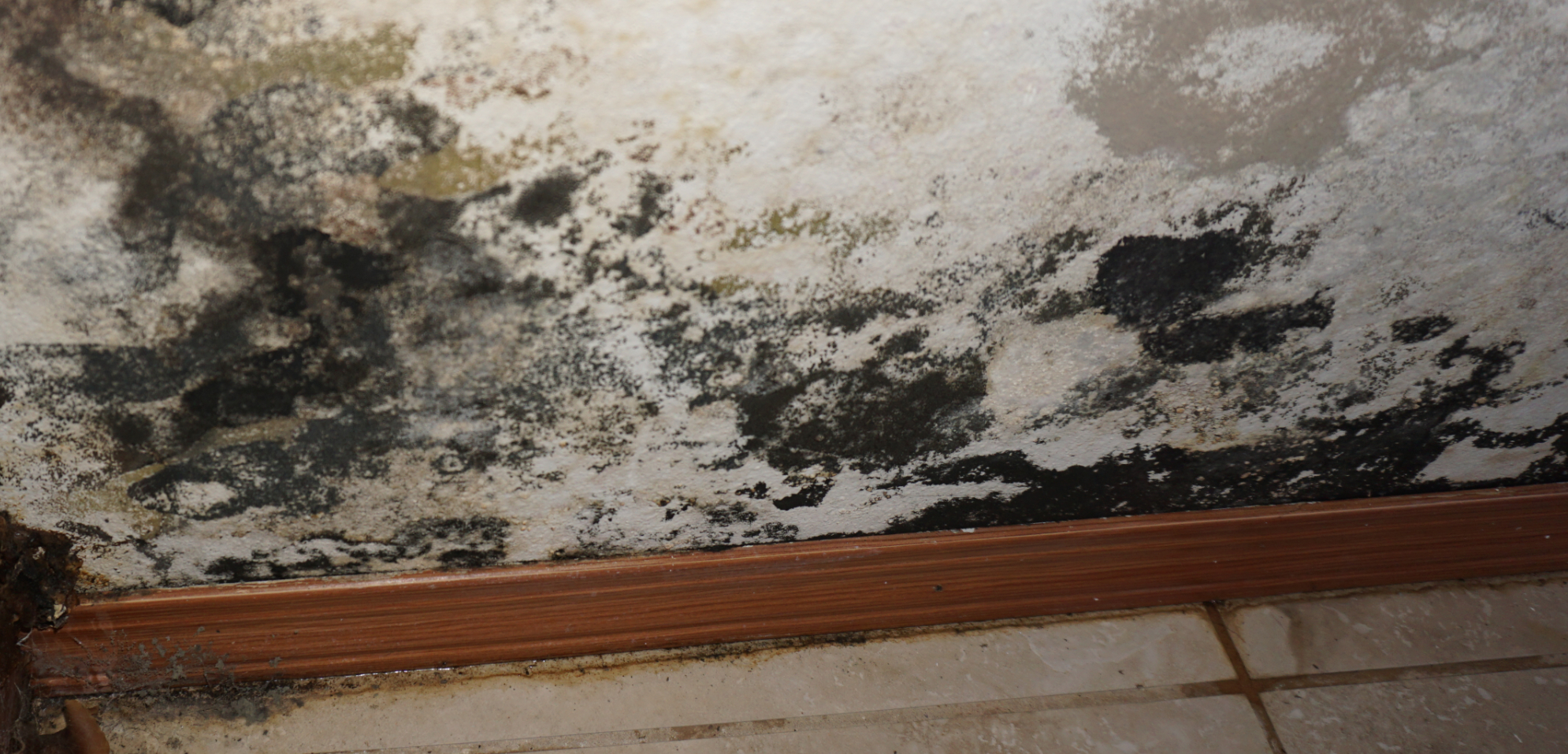
Ground vapor drive is one of the most misunderstood moisture dynamics affecting buildings. While water leaks and roof failures are easy to visualize, moisture vapor migrating from soil into a structure often occurs silently. Over time, this process can contribute to elevated humidity, microbial growth, material deterioration, and indoor air quality concerns.
Understanding how vapor moves from the ground into a building—and how it interacts with pressure, temperature, and building materials—is essential for inspectors, building scientists, and property owners.
Ground vapor drive is the movement of moisture vapor from the soil into a building due to pressure, temperature, and vapor concentration differences between the ground and indoor environment.
Soil beneath buildings contains moisture from:
Groundwater
Rain infiltration
Irrigation
Capillary rise
Seasonal moisture changes
Because soil moisture is almost always higher than indoor air moisture, water vapor naturally attempts to move upward and inward toward the lower vapor pressure environment inside the building.
This movement occurs even when no liquid water is visible.
Three primary mechanisms drive moisture vapor from the ground into a building:
Water vapor moves from high vapor pressure zones to low vapor pressure zones.
Typical conditions:
| Location | Relative Humidity | Vapor Pressure |
|---|---|---|
| Soil under slab | 90–100% | High |
| Indoor air | 35–55% | Lower |
This difference creates a constant vapor diffusion gradient, pushing moisture toward the interior.
Buildings act like chimneys.
Warm air rises and escapes through the upper portions of a building. This creates negative pressure at the lower levels, pulling soil gases and moisture vapor upward through:
Slab cracks
Pipe penetrations
Expansion joints
Crawlspace soil
Block wall cores
The taller the structure and the larger the temperature difference, the stronger this effect becomes.
Concrete and masonry are porous materials. They can wick moisture upward through capillary action.
This moisture can then evaporate into indoor air, contributing to:
Elevated humidity
Condensation risk
Microbial growth on interior surfaces
Ground vapor enters buildings through numerous structural pathways.
Typical entry points include:
Concrete slab cracks
Control joints
Utility penetrations
Sump pits
Floor drains
Hollow CMU block walls
Crawlspace soil
Even newer construction can experience vapor drive if vapor barriers are missing, damaged, or improperly installed.
Crawlspaces are particularly vulnerable to ground vapor migration.
When soil is exposed, moisture continuously evaporates upward. Without a vapor barrier, this can release several gallons of water vapor per day into the crawlspace environment.
This vapor can then enter the living space through:
Subfloor gaps
HVAC duct leakage
Electrical penetrations
Air pressure imbalances
The result is often elevated indoor humidity and mold growth in floor cavities or wall assemblies.
Inspectors often identify vapor drive indirectly through building indicators.
Common field observations include:
Moisture Indicators
High crawlspace humidity
Condensation on ductwork
Damp insulation
Musty odors
Material Indicators
Efflorescence on foundation walls
Rusting fasteners
Mold growth on subflooring
Peeling flooring adhesives
Air Quality Indicators
Elevated indoor humidity
Increased fungal spore counts
Persistent musty odor
These indicators often appear without a visible water leak, making vapor drive difficult to recognize.
Moisture vapor itself is not harmful, but it creates conditions that support microbial growth.
Elevated humidity can promote growth of:
Mold
Dust mites
Bacteria
These contaminants can contribute to:
Allergic reactions
Respiratory irritation
Asthma aggravation
Chronic indoor air quality complaints
In addition, ground vapor can transport soil gases, including radon and other volatile compounds.
Mitigation focuses on separating soil moisture from the building envelope and controlling air pressure relationships.
Effective control strategies include:
Install heavy polyethylene vapor barriers across exposed soil. Best practice includes:
10–20 mil reinforced poly
Sealed seams
Sealed perimeter attachment to foundation walls
Modern slab construction should include:
10–15 mil vapor barrier
Sealed penetrations
Proper gravel base layer
Encapsulation converts a crawlspace into a conditioned space, using:
Sealed vapor barrier on soil and walls
Insulated perimeter walls
Controlled dehumidification
Balancing HVAC airflow reduces negative pressure that pulls ground vapor upward.
Ground vapor drive is responsible for many chronic moisture problems that appear mysterious to homeowners.
For inspectors and environmental professionals, evaluating vapor drive can help identify the root cause of:
Elevated indoor humidity
Crawlspace mold growth
Repeated flooring failures
Efflorescence on foundations
Musty odors
Understanding this mechanism allows inspectors to provide better building science-based recommendations rather than simply identifying surface symptoms.
Ground vapor drive is a constant environmental force acting on every building. When moisture barriers, ventilation, and pressure relationships are properly designed, vapor movement can be controlled.
However, when these systems fail—or were never installed—the result can be hidden moisture accumulation that affects both the structure and the indoor air environment.
Recognizing the signs of ground vapor drive is a key skill for modern building inspectors and indoor air quality professionals.